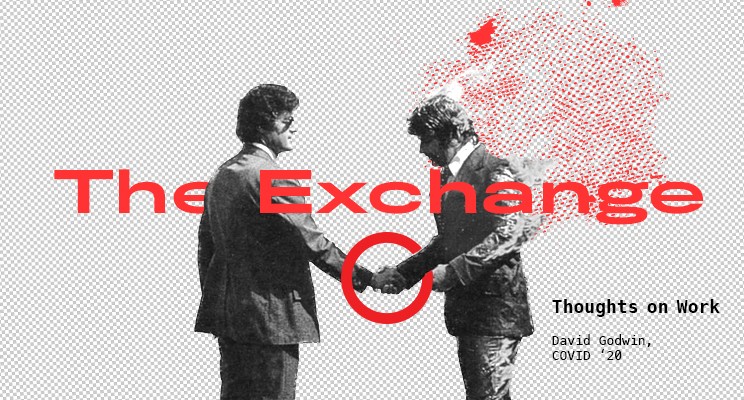
Since way back, there has been an agreement that holds, to a greater or lesser degree, as the bedrock of any common and decent society. Implicit or spelled out, it goes: I will do this for you, if you will do this for me. It is the oldest deal there is, and a good one. Over the centuries it has only grown more elaborate. A fistful of shells became wages, then contracts, then a 401k, but the bones of it never changed. It has fed families, built cities, and lifted more people out of poverty than anything else we have ever tried. The arrangement worked.
But there is a quiet truth folded up within it. Under all the elaboration, the deal trades in one thing. The task, performed. Your half of the bargain was never who you were. It was simply what you did, and whether you would do it again tomorrow. A deal that runs on execution will always favor the perfect executor: the one who does not question the task and simply performs it. Whatever can be reduced to performing a task can eventually be performed by something else. The perfect worker was always automatable.
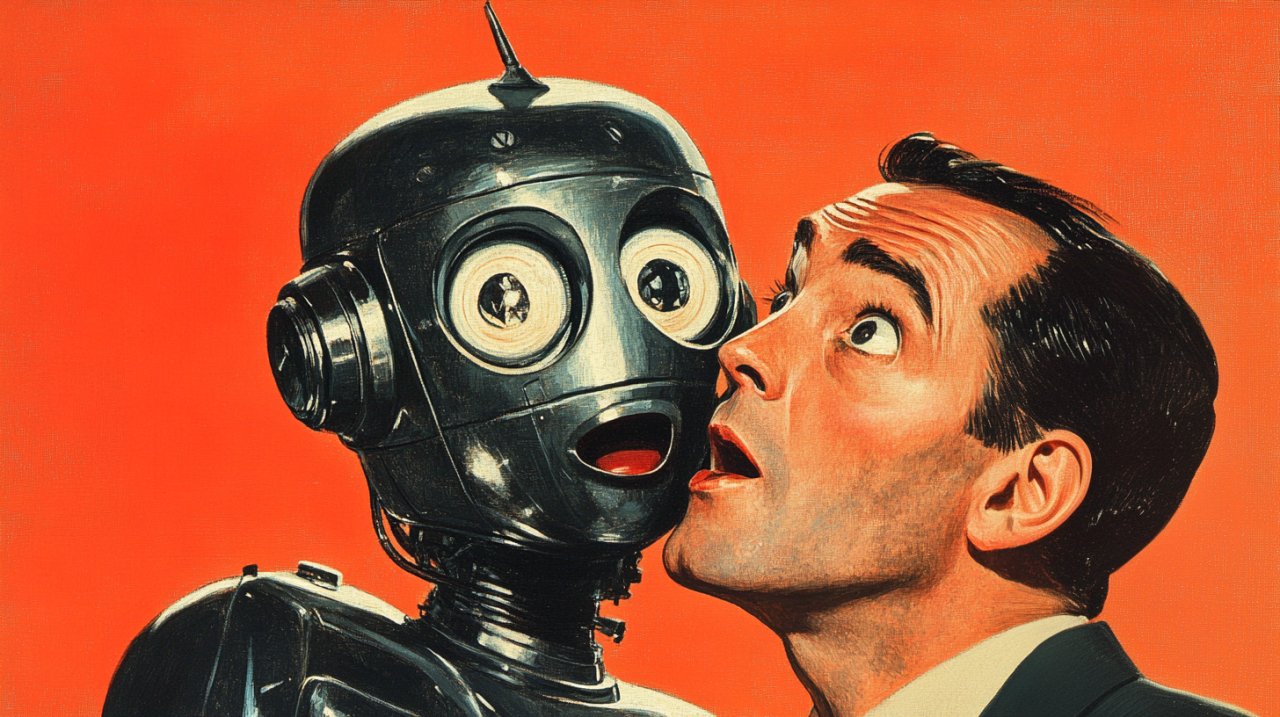
We have known this for a long time. Around 1830 Richard Roberts perfected the self-acting spinning mule, and the factory world soon had a name for it. They called it the Iron Man. It spun cotton with the skill of a master and none of the master’s will. It did not tire. It did not argue, and one low-paid hand could mind several of them at once. Skilled spinners watched their trade slip out of their fingers and into a frame of iron. Nearly two centuries later, Marc Andreessen sat down with David Senra on the Founders podcast and described the great builders in terms Roberts would have recognized. The trait he prizes is zero introspection, as little as a man can manage. Sam Walton, he offered, never woke up wondering about his internal self. He just went and built more Walmarts. The whole inward turn, in Marc’s telling, is a manufactured habit of the 1920s, a guilt movement that gets people stuck. Head down, eyes forward. The Iron Man and Marc’s ideal founder are the same dream set almost two hundred years apart. The perfect worker does not look inward. The perfect worker executes.
In their picture, introspection is the enemy of output. In truth it is the boundary itself, the line between the inventor and the invention. Once you realize that the goal was always to build something that could take the task off our hands, the shock of automation softens into something closer to recognition. This was always where all roads led.
Rome understood the arrangement better than we like to admit. We tell its story as one of roads and law and conquest and verse. We say less about what held the whole thing up. Varro, writing a manual on how to run an estate, could file that labor under his equipment without flinching: the mute tools were the carts, the semi-articulate, or half-voiced, were the oxen, and the speaking tools, instrumentum vocale, were the slaves. It was a horror, and nothing here is a softening of that fact.
Speaking tools, like the enslaved Greek educating a nobleman’s children or the hands that laid the roads, had inner lives. Time gathered within them to form a self. These speaking tools suffered the arrangement, and they knew they suffered it. Seneca, for all that he looked down on menial work, would not look down on the worker. He drew the line between the labor and the man, and granted the man an interior no master could buy. That interior is the whole thing. It is what cradles the person. It holds the grief and the joy and everything else in-between. Mark how strange our moment is against that. Seneca grew rich off the arrangement and still could not deny the interior, not even in the men he owned. Our new masters grow rich off theirs and deny it in themselves, and call the denial a virtue. That is the measure of the lie. The snare was laid long ago, and it has drawn tighter with every generation that pulled against it, until the men standing in it now mistake it for footing.
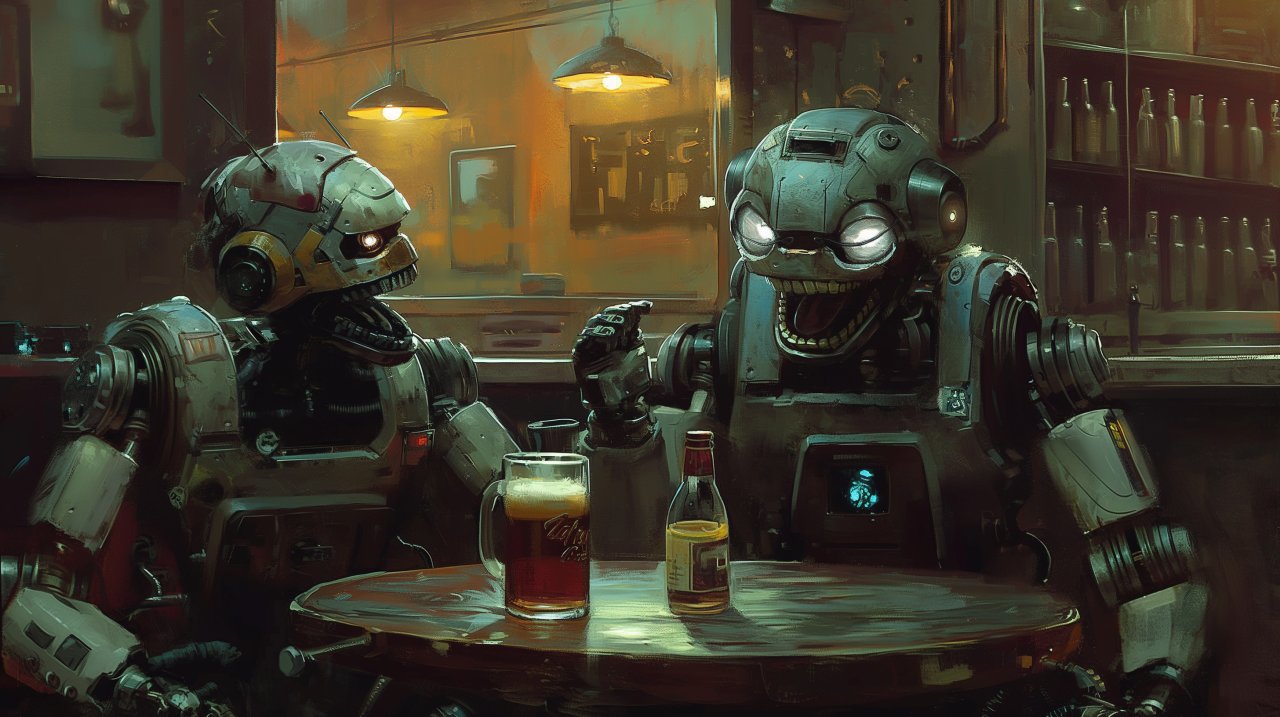
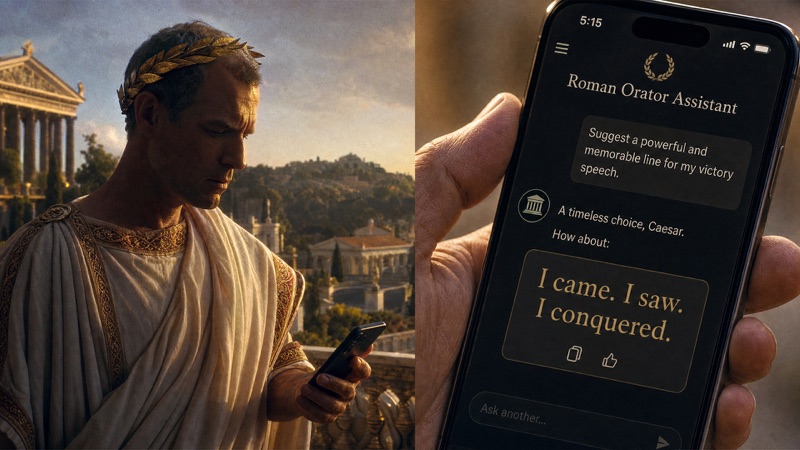
Now we have built a new kind of worker, and it is thriving. The model performs the task and does not question it. It is the speaking tool Varro only had as a metaphor, now made literal. Instrumentum vocale at last. In Rome the labor came with a conscience that suffered; this labor, as far as we can tell, comes with none. A voice, and no one behind it. If we are wrong about that, then Varro’s ledger is open again, and the atrocity is not a risk we are running. It is one we have already committed. Across every example (the Iron Man, the Roman house, the model answering at three in the morning), the lesson is the same. Work was always going to be automated. The goal was always productivity, however it got done. And the way to be the perfect worker was always to give up the inner life and become a thing that only performs.
The role of the perfect worker was never about the best of us, and we should not mourn losing it. The feelings are misdirected, because the thing we are afraid of losing is the one thing that the machine, or anybody, could never take. It is the reason any of this was ever worth doing.
If you’ve ever spoken with me, you’ve probably heard me bring up Ken Follett’s Pillars of the Earth. That book has really stayed with me, one part in particular. A master mason named Tom Builder wants one thing: the chance to build a cathedral. In twelfth-century England that chance finally comes within reach, and the wanting of it is a thorn in his side he has carried his whole life. Prior Philip asks him a simple question. Why do you want to build it. Tom, who has never quite put it into words, finds the answer already waiting in him. “Because it will be beautiful.” That is all. No use, no return, no argument from efficiency. It will be beautiful, and that is reason enough.
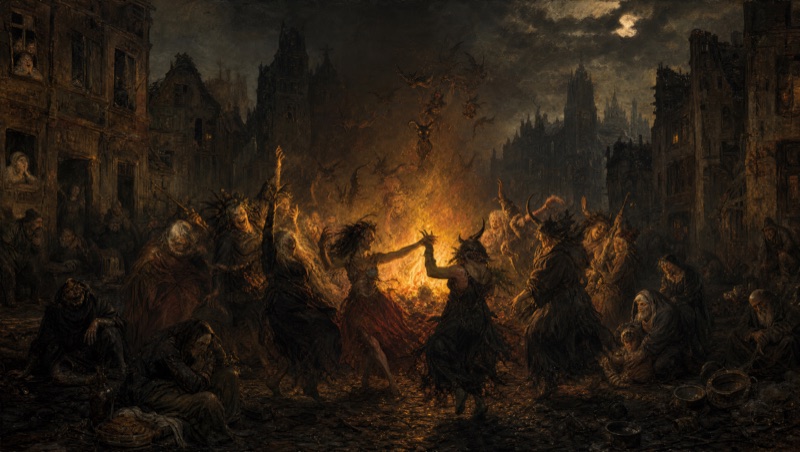
That answer is the whole case for the inner life. The cathedral did not need to exist. The symphony did not need to be written. No one was made more productive by the ceiling of a chapel or the turn of a verse. We made those things because something in us, looking inward, decided they belonged in the world. Every cathedral, every song, every act of mercy, every story told around a fire because the night was long, every adventure to nowhere in particular: none of it came from a worker performing a task. It came from a person wondering, and grieving, and delighting, and choosing to make a thing for no reason but the joy of it. The machine, iron or silicon, can spin the cotton. It cannot want the cathedral.
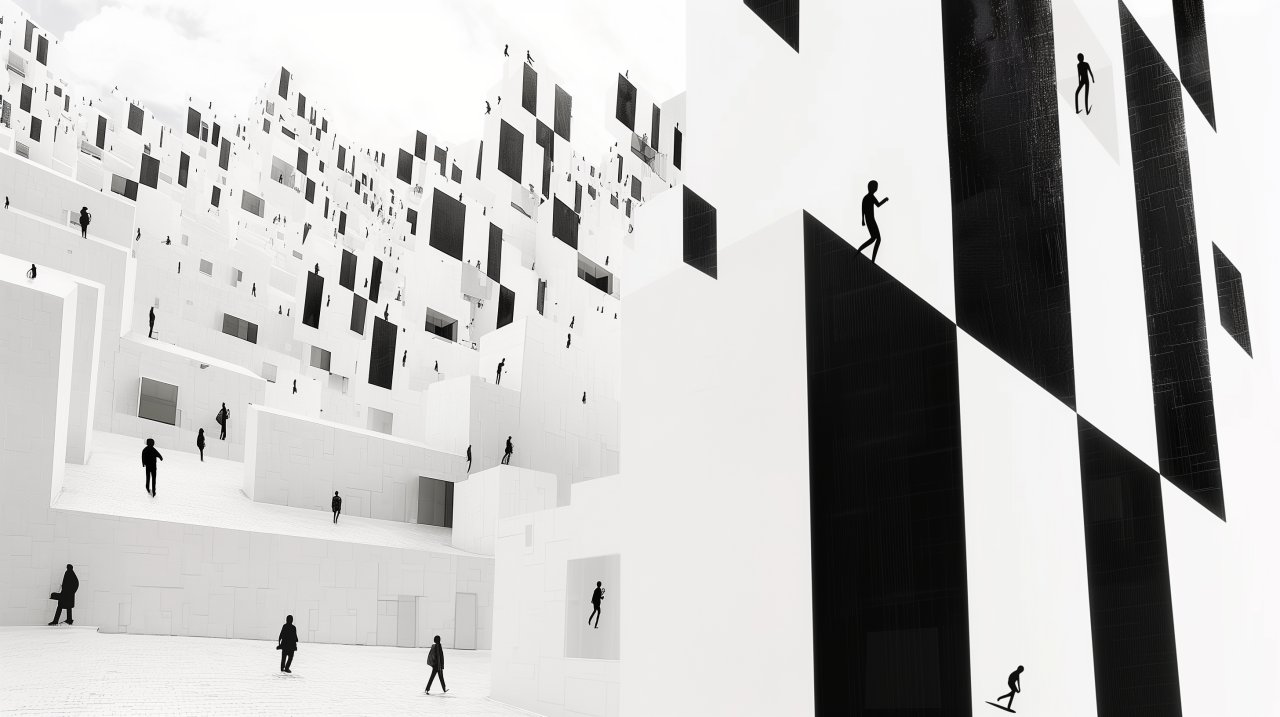
This is the line that is cutting us right now, whether or not we have the words for it. The fear in the air gets described as a fear about jobs, and the jobs are real and the fear is fair. Underneath it sits something larger. It is the unease of being seen as a tool for economic production, a cog valued for output and nothing else, when we know we are so much more than that. The machine forces the issue. When it starts doing the output better than we can, the question stops being how will I earn and becomes who am I. That is the real rift, and it cuts deeper than economics because it is a question about what a human being is for.
The Romans thought they had the answer. The productivity of the enslaved freed a narrow class to live nobly, the freedom pooled at the top, and the men who held it wrote beautiful things about virtue in houses that ran on people they had bought. A society freed by the labor it owns concentrates that freedom by default. It builds villas.
The productivity of the model is the new version of that engine, and left alone it will do the same thing. It will gather the leisure of the world into a few hands and tell everyone else the future is bright. There is one lever available to us that Rome never had. Access. The model is not a person we have to enslave. It is a tool we can democratize far and wide, because the barrier to building was never imagination. It was the means to act and the freedom to do so. It was the capital, the crew, and often simply time, the years standing between the wanting and the made thing.
Every generation has carried minds that could have raised cathedrals and spent them instead on staying alive. Survival ate their genius whole, and the world never heard a word of it. Those are the boats. Concentrate the power and we get Rome with better lighting. Democratize it, push it out as far and as cheaply as it can go, and the boats rise.
That is the choice, and nothing in the technology makes it for us. For a long time we believed the work defined us. It never did. For better or worse, the task was always the part that could be handed off, and now it is being handed off, and we are waking up a little stunned, looking around for what is left. What is left is what was always actually ours. The inner life. The wondering. The wanting, the reason behind the cathedral. Put the tool in every hand, and the wanting will be made manifest.
The season is turning, the way it always turns, but seasons don’t fear the reaper, and neither should you. You are not the Iron Man. You are not the model at three in the morning. You are not the perfect worker, and that’s just perfect. You are the one who looks inward and decides that something should be beautiful, and then goes and makes it so. That is the distinction. Introspection, the You that’s always on. Let the machine have the task. We will keep the cathedral.